
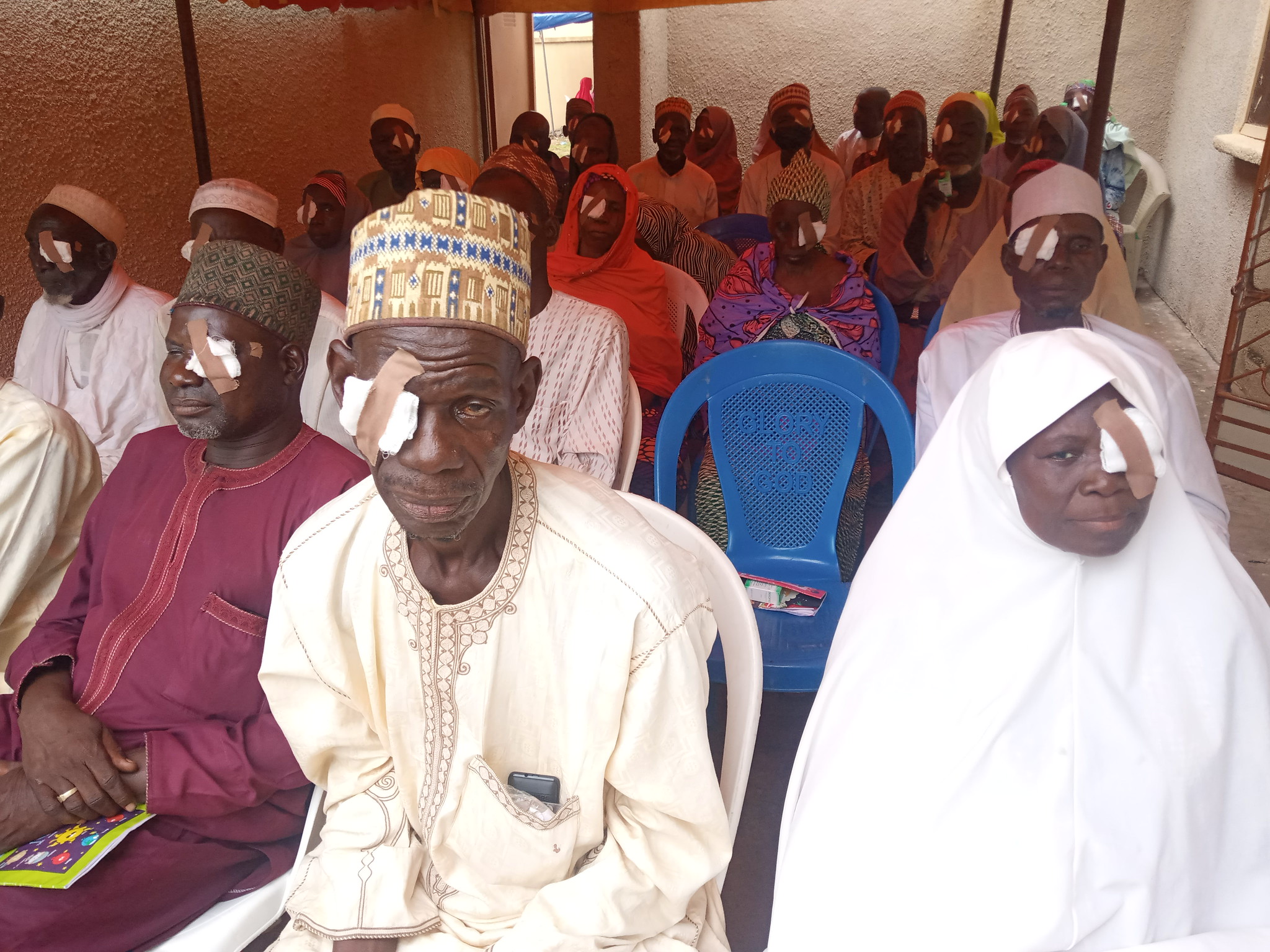
Cataract Surgery in Nigeria. Photograph: Abdulwahab Usman
A new study has found that visual outcomes following cataract surgery in Nigeria remain below internationally recommended standards, despite improvements over time. The study highlights both the progress made in restoring sight and the need for further investment in surgical quality, training and postoperative care.
Researchers, including from the International Centre for Eye Health, analysed data from 16 studies conducted between 2000 and 2025, covering 3,631 cataract-operated eyes across five regions of Nigeria. The review assessed visual outcomes after surgery and rates of major complications, providing the most comprehensive overview of cataract surgery outcomes in the country to date.
The analysis found that 80% of patients were blind or severely visually impaired (visual acuity worse than 3/60) before surgery, indicating that many people continue to present for treatment at an advanced stage of disease.
At four weeks or more after surgery, 56% of operated eyes achieved good presenting vision (6/18 or better). The review found that 75% of operated eyes achieved good vision after best correction, below the WHO benchmark of 90%. However, it should be noted that the studies are historical and do not necessarily represent the current state of eye care in 2026. The authors also found evidence that outcomes have improved over time, suggesting that more recent services may perform better than the pooled estimate indicates.
The review also identified considerable variation in outcomes between studies and regions. Better results were generally reported in more recent studies and in centres using modern surgical techniques such as phacoemulsification and manual small-incision cataract surgery.
Complications that can threaten sight were more common than those reported in high-income settings. The pooled prevalence of posterior capsule rupture with vitreous loss, a serious intraoperative complication, was 4%, while postoperative endophthalmitis, a severe eye infection, occurred in 1% of cases. Both rates were substantially higher than those reported in national audits from the UK and other high-income countries.
The authors suggest that several factors contribute to poorer outcomes, including late presentation with advanced cataracts, limited access to accurate biometry and a full range of intraocular lens powers, uncorrected postoperative refractive errors, and variation in surgical experience. They also note that many patients may have other eye conditions, such as glaucoma or diabetic retinopathy, that can limit visual recovery after surgery.
The study concludes that improving cataract outcomes in Nigeria will require a stronger focus on quality as well as surgical volume. Recommended measures include ongoing training in modern surgical techniques, improved preoperative assessment and lens selection, regular audit of surgical outcomes, and standardised postoperative follow-up.
As efforts continue to expand cataract surgical coverage across Africa, the findings underline the importance of ensuring that increasing access to surgery is matched by improvements in the quality of care and visual outcomes for patients.
Publication
Habib SG, Idris A, Tsiga-Ahmed FI, Gilbert C. Visual acuity outcome and complications of cataract surgery in Nigeria: a systematic review and meta-analysis. International Health. March 2026. https://doi.org/10.1093/inthealth/ihaf161