
ICEH PhD Students
At the International Centre for Eye Health we have a proud history of developing research careers globally. Since 2010 we have had 28 research degree students who have been awarded their PhDs, and 16 of these are nationals of low and middle-income countries (LMICs).
We currently have 10 students from 6 countries working on diverse projects around the world to improve eye health. Learn more about some of our students and their projects below.
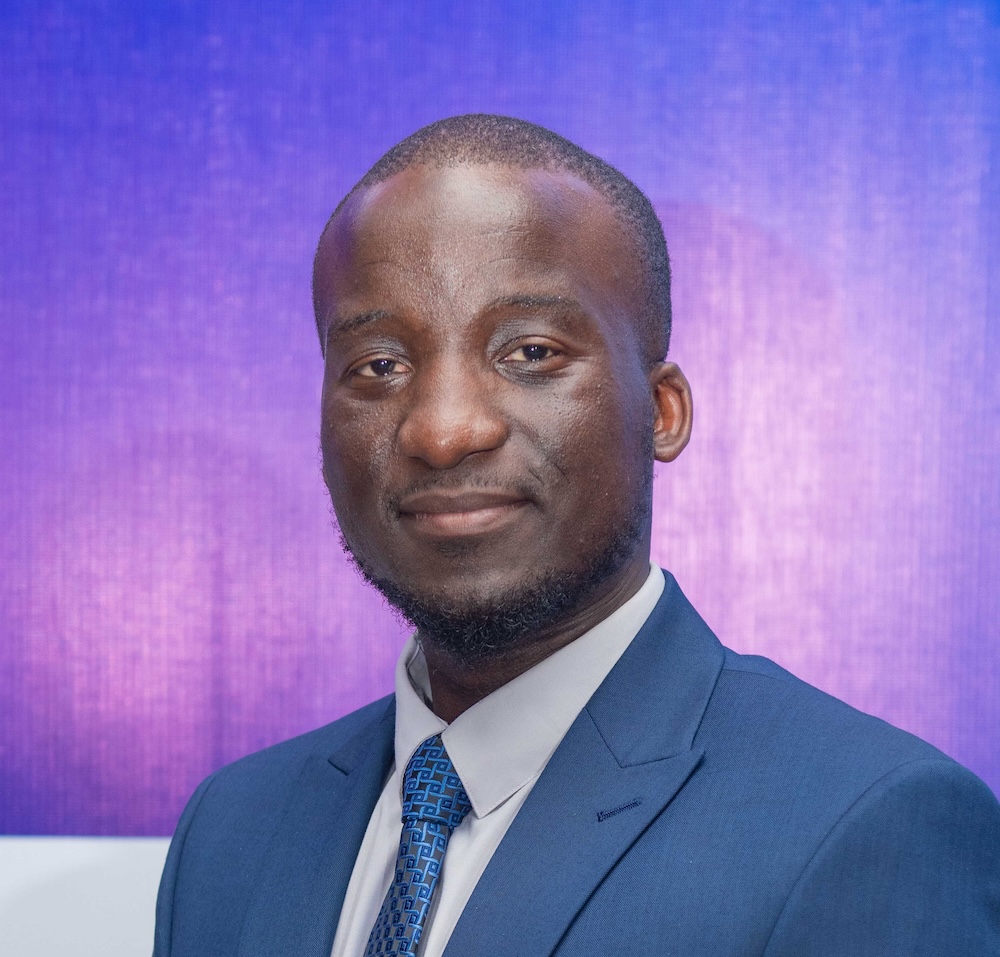
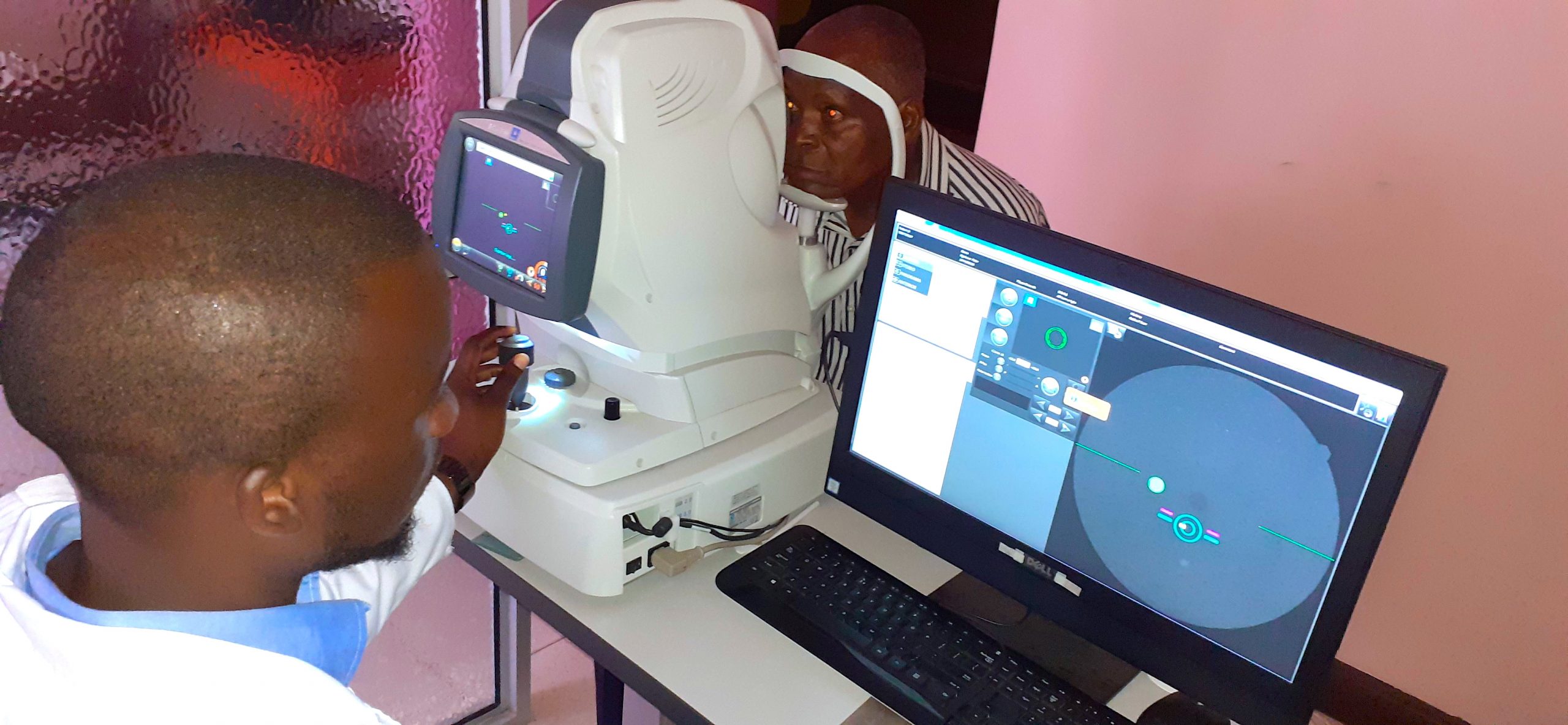
Shaffi Mdala
I am a Malawian ophthalmologist, an honorary lecturer in ophthalmology at the Kamuzu University of Health Sciences and currently serve as the President of the Ophthalmological Society of Malawi. My research is focused on addressing the growing burden of diabetic eye disease in Malawi.
My PhD project, “Modelling the Health System to Assess the Health Gains of Diabetic Retinopathy Service Delivery Models in Malawi,” aims to identify the most cost-effective and sustainable ways to integrate sight-saving diabetic retinopathy services into Malawi’s health system. By combining health system assessments, epidemiological studies, and advanced mathematical modelling using the Thanzi La Onse model, the research will generate crucial, locally relevant evidence to guide national policy.
It is expected that the PhD work will be informative to the Malawi Ministry of Health’s strategic planning, preventing unnecessary blindness among people living with diabetes. Through my PhD project I will gain skills in implementing research focused on health systems and policy for eye care in low-resource settings, strengthening both clinical services and research capacity in Malawi.
Einoti Matayan
I am a practising ophthalmologist at the Kilimanjaro Christian Medical Centre (KCMC) in Tanzania, as well as a lecturer at KCMC University. I have participated in several research projects, including clinical trials and a study on microbial keratitis, trachoma, and glaucoma.
Throughout my clinical practice, I have encountered many glaucoma patients who present to the tertiary hospital at an advanced stage of the disease, often after significant vision loss.
My PhD research focuses on preventing blindness by improving glaucoma care in the Kilimanjaro region. This work explores the existing gaps in glaucoma care delivery, examining both the health system and patient perspectives, to identify strategies to enhance service quality and to establish key indicators for effective glaucoma care. Findings of this research will inform areas of focus for improving glaucoma care, with a particular emphasis on public health interventions that promote early diagnosis and timely treatment of glaucoma, as well as strategies that help keep patients connected to healthcare.
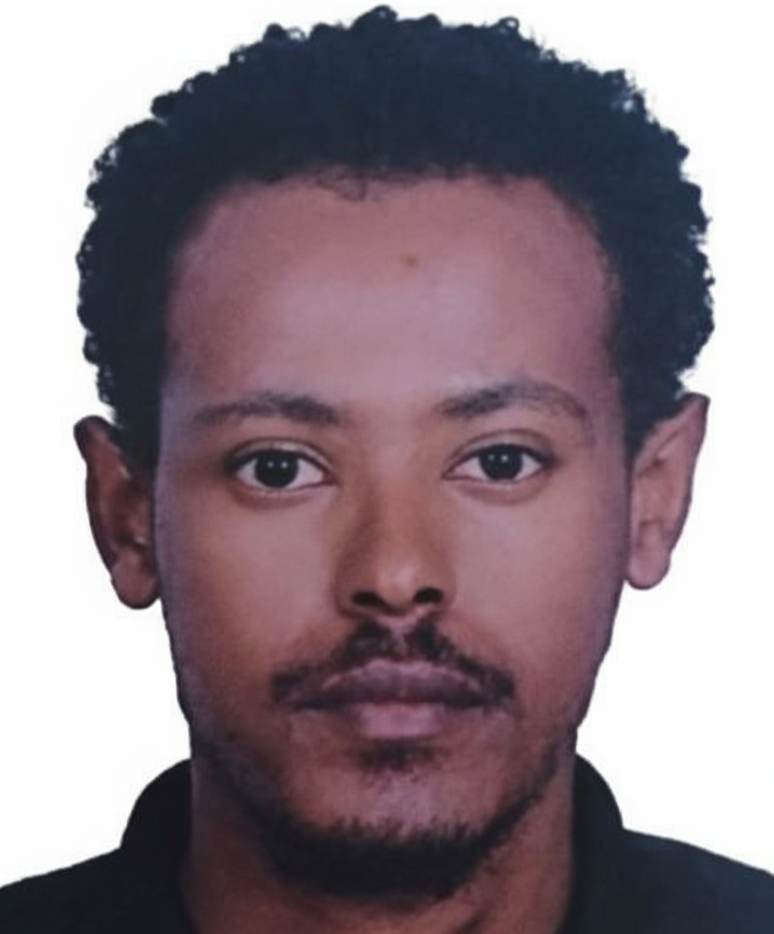
Mikiyas Bulto
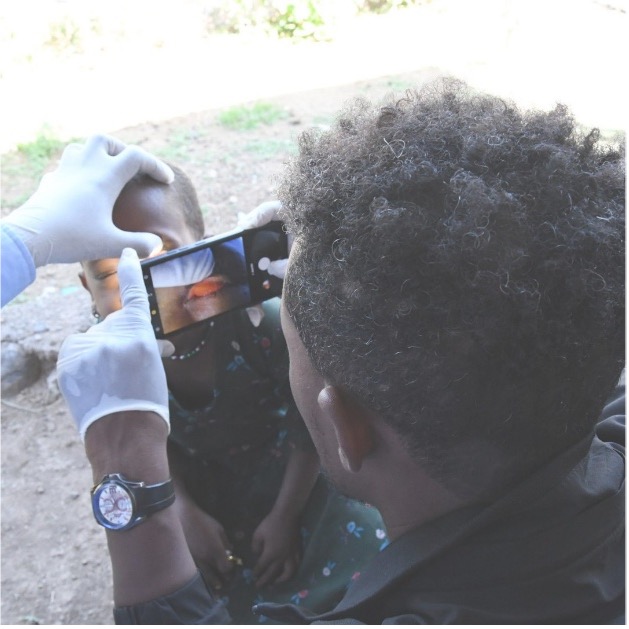
I am an Ethiopian epidemiologist with a background in medical laboratory science.
Initially working in the field of Malaria, I helped establish the data science team and neglected tropical diseases directorate at the Armauer Hansen Research Institute (AHRI), significantly contributing to a landmark study that provided the first direct evidence of the invasive mosquito Anopheles Stephensi transmitting malaria in Africa.
Now pursuing my PhD at the International Centre for Eye Health (ICEH), I am turning my focus to trachoma, the world’s leading infectious cause of blindness. My research seeks to uncover how infections are acquired after a community-wide mass drug administration (MDA), in persistently endemic settings. By generating robust, context-specific evidence, I aim to inform strategies for trachoma elimination in Ethiopia and beyond. This PhD is a vital step toward my ambition of leading multi-site studies that translate evidence into impactful policies for infectious disease control and eye health.
Eli Pradhan
I am a Medical Retina consultant, currently working in Tilganga Institute of Ophthalmology in Nepal. I specialise in Retinopathy of Prematurity (ROP).
My PhD project is on “Evaluation of a New teleophthalmology Retinopathy of Prematurity Screening Program in Kathmandu, Nepal”.
ROP management in the country is still in the early stages, with a shortage of screening facilities and lack of other resources. The project aims to improve screening mechanisms by implementing tele-ophthalmology, where the retinal images of premature babies are taken by trained non-ophthalmologists and graded by clinicians remotely. This allows for early detection and intervention of the premature babies.
Initially the project will be based in 3 different centres in Kathmandu, with a future project focusing on remote areas of the country. This will expand screening access in resource-limited areas, reduce the burden on ophthalmologists, and reduce travel duration and costs for patients and families.
The overall goal is preventing childhood visual impairment and blindness.

Charles Cleland
I am an ophthalmologist and clinical research fellow at ICEH, based in the UK.
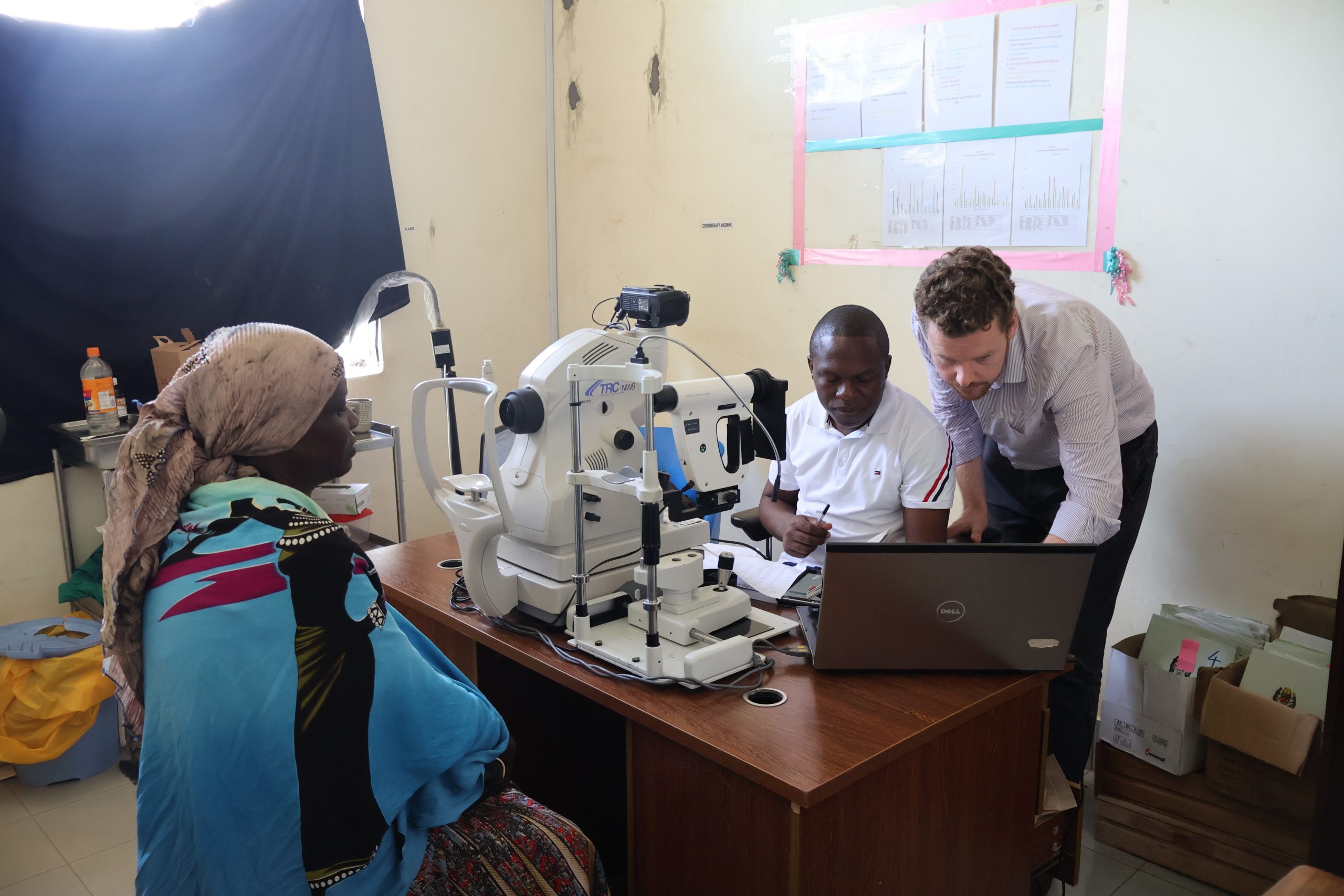
I recently led a large (>2300 participant) randomised controlled trial, as part of a PhD, that involved integrating an AI system into an active diabetic eye screening programme in Tanzania.
This project evaluated safety, diagnostic performance, feasibility and examined the impact on patient pathways, specifically whether follow-up after screening for persons with sight-threatening diabetic retinopathy could be improved through an AI system. The results of this work will be published soon.
We hope our work will improve diabetic eye care services in resource-constrained settings and help to prevent avoidable vision loss from diabetes. We are now working with the Ministry of Health in Tanzania to scale up and expand the use of AI for diabetic eye screening in multiple regions of the country.
Ultimately my aim is to provide evidence to support the improvement of eye care services in low- and middle-income countries and to contribute towards reducing avoidable vision loss.
Farouk Garba
My professional experience includes serving as a consultant ophthalmologist, lecturer and faculty member in Nigeria.
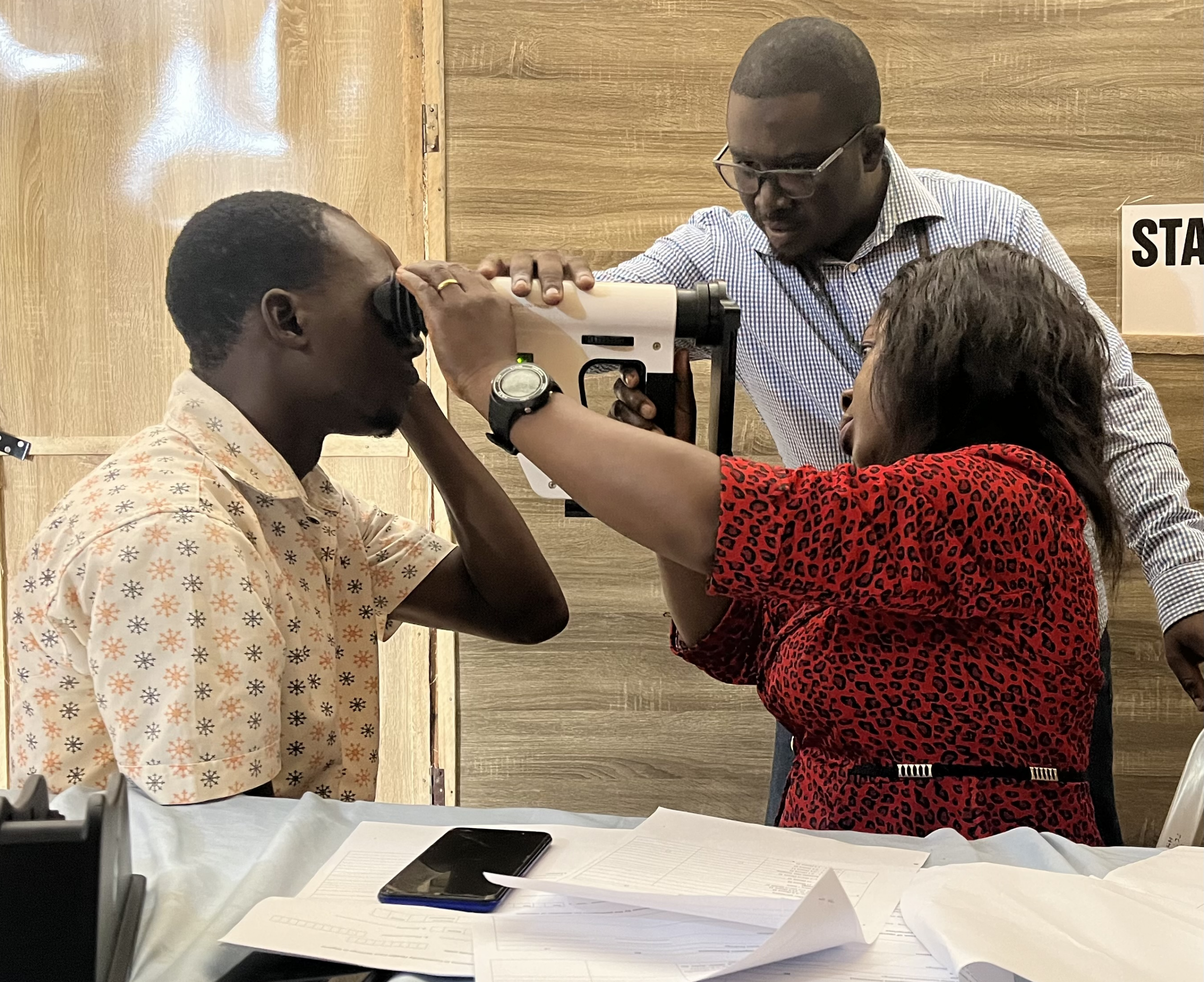
My PhD focuses on the use of portable diagnostic devices for glaucoma detection in Nigerian community health settings. It examines how selected devices compare with standard hospital tools, trains community health workers to use them, and evaluates their acceptability and feasibility in community settings. The work addresses the challenge of early glaucoma detection in low-resource environments and explores practical ways to integrate affordable technologies into primary health care.
Through this PhD, I aim to develop advanced research skills and deepen my expertise in applied clinical research. The findings will inform future studies on the integration of portable devices into screening programmes and guide policies for eye health services in communities facing similar challenges. This will strengthen my research career and lead to collaborative work that contributes to reducing blindness from glaucoma.
Oumer Abdurahman
My PhD research, completed in 2025, investigated the transmission of ocular Chlamydia trachomatis (Ct), the causative agent of trachoma, in an endemic community in Oromia, Ethiopia.
Through household-based studies, I identified strong associations between active trachoma and younger age, the presence of flies on children’s faces, and ocular discharge, while preschool children whose faces were washed more than once daily had significantly lower odds of infection. I also established a link between trachoma and poverty, highlighting the socioeconomic factors driving disease transmission.
In a subsequent cohort study, I provided novel insights into Ct transmission dynamics. All viable non-ocular Ct was associated with individuals with viable ocular infections, and 20% of caregivers of hand-positive children also carried Ct on their hands, underscoring hands and faces as key transmission routes. In two cases, hand carriage preceded ocular infection within two weeks, indicating intra-household spread. The study further revealed clustered household distribution of ocular Ct, significantly associated with trachoma symptoms, emphasising the need for interventions targeting non-ocular sites to interrupt transmission and support trachoma elimination efforts.
Sandip Das Sanyam
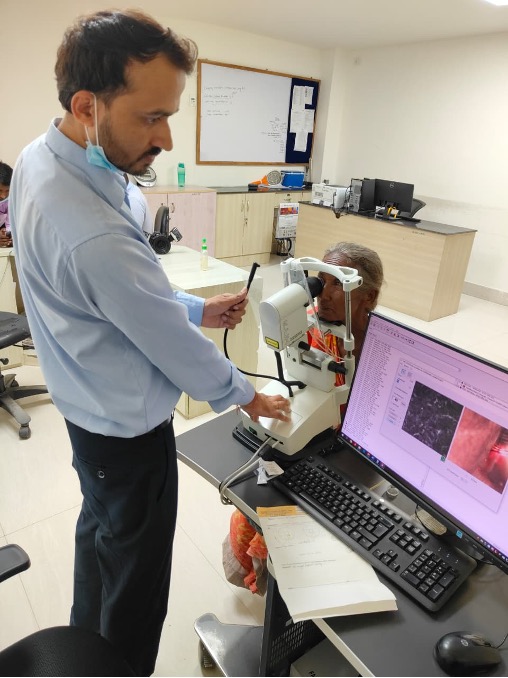
I am the Clinical Research Lead at Sagarmatha Choudhary Eye Hospital Lahan, Nepal, coordinating and managing randomised controlled trials for microbial keratitis (MK).
The trials focus on improving the availability of drugs, finding cost-effective treatments for fungal keratitis and reducing the delay in care-seeking behaviour among patients.
Through my work, I felt there is a need for technological advancement to help and support people with MK in remote areas by connecting them to the right diagnosis and appropriate treatment.
My PhD is testing several artificial intelligence models to be able to identify MK and the causative organism, e.g., bacterial or fungal keratitis, using images of an infected eye. Finally, one AI-based system equipped in a smartphone will be independently tested at community levels for screening and referral. This project can then be scaled up to a national-level eye health programme in the future to lower the incidence of MK.