
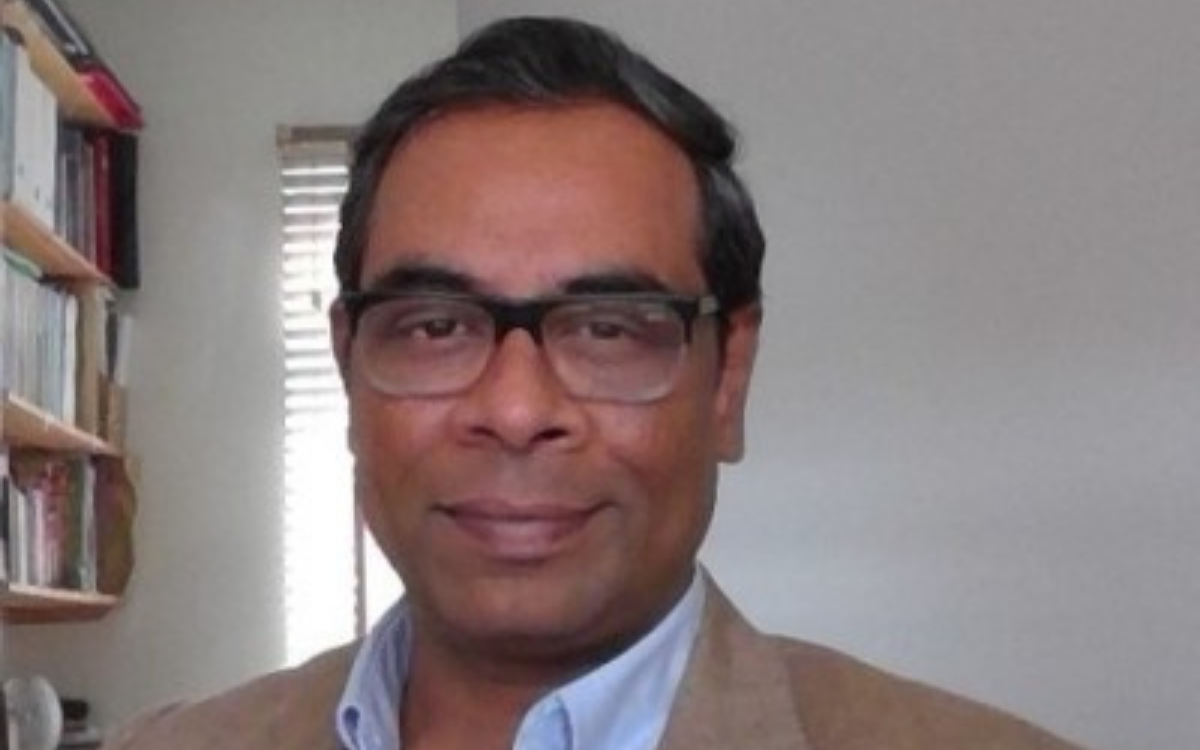
The International Centre for Eye Health (ICEH) congratulates former ICEH Master’s and PhD student Dr M. A. Muhit, who was elected as State Minister for Health and Family Welfare in Bangladesh earlier this year.
Dr Muhit, a long-standing advocate for improving the lives of people with disabilities, completed his PhD in Public Health Ophthalmology at the London School of Hygiene & Tropical Medicine (LSHTM). During his PhD he developed a method for detecting children who were blind in the community (the key informant method) which is now widely used for detecting children with other disabilities for research purposes and for service delivery. Throughout his career, he has combined senior university leadership roles with a commitment to strengthening health systems and expanding access to care for underserved populations.
Many colleagues at ICEH will know Dr Muhit through his research and leadership in global disability and eye health. His published work has contributed to understanding blindness in children, barriers to eye care, childhood disability, particularly cerebral palsy and rehabilitation services in Bangladesh and beyond.
Professor Clare Gilbert, one of his PhD supervisors, said: “We are thrilled to see Dr Muhit appointed to this important leadership position. During his time at ICEH and working with him afterwards, he demonstrated a deep commitment to improving health outcomes for vulnerable populations through education, research, public health and service development. He will bring his experience, expertise, determination and commitment to bear in this appointment at the highest levels of government in Bangladesh. We warmly congratulate him and wish him every success in this new role.”
Dr Muhit is also the founder of CSF Global (formerly the Child Sight Foundation), an organisation that has worked extensively to improve access to healthcare, rehabilitation and support services for children with disabilities and their families.
Over the past two decades, Dr Muhit has been a prominent figure in public health and eye health in Bangladesh, helping to bridge the worlds of academia, service delivery and policy. His career reflects many of the values that underpin ICEH’s work: a commitment to evidence-based decision-making, equitable access to healthcare and improving outcomes for vulnerable communities.
Following Bangladesh’s 2026 national elections, Dr Muhit was elected as a Member of Parliament and subsequently appointed State Minister for Health and Family Welfare. In his new role, he will help guide national health policy and oversee efforts to strengthen healthcare services across the country.
Everyone at ICEH extends their congratulations to Dr Muhit and looks forward to following his continued contributions to public health in Bangladesh.