
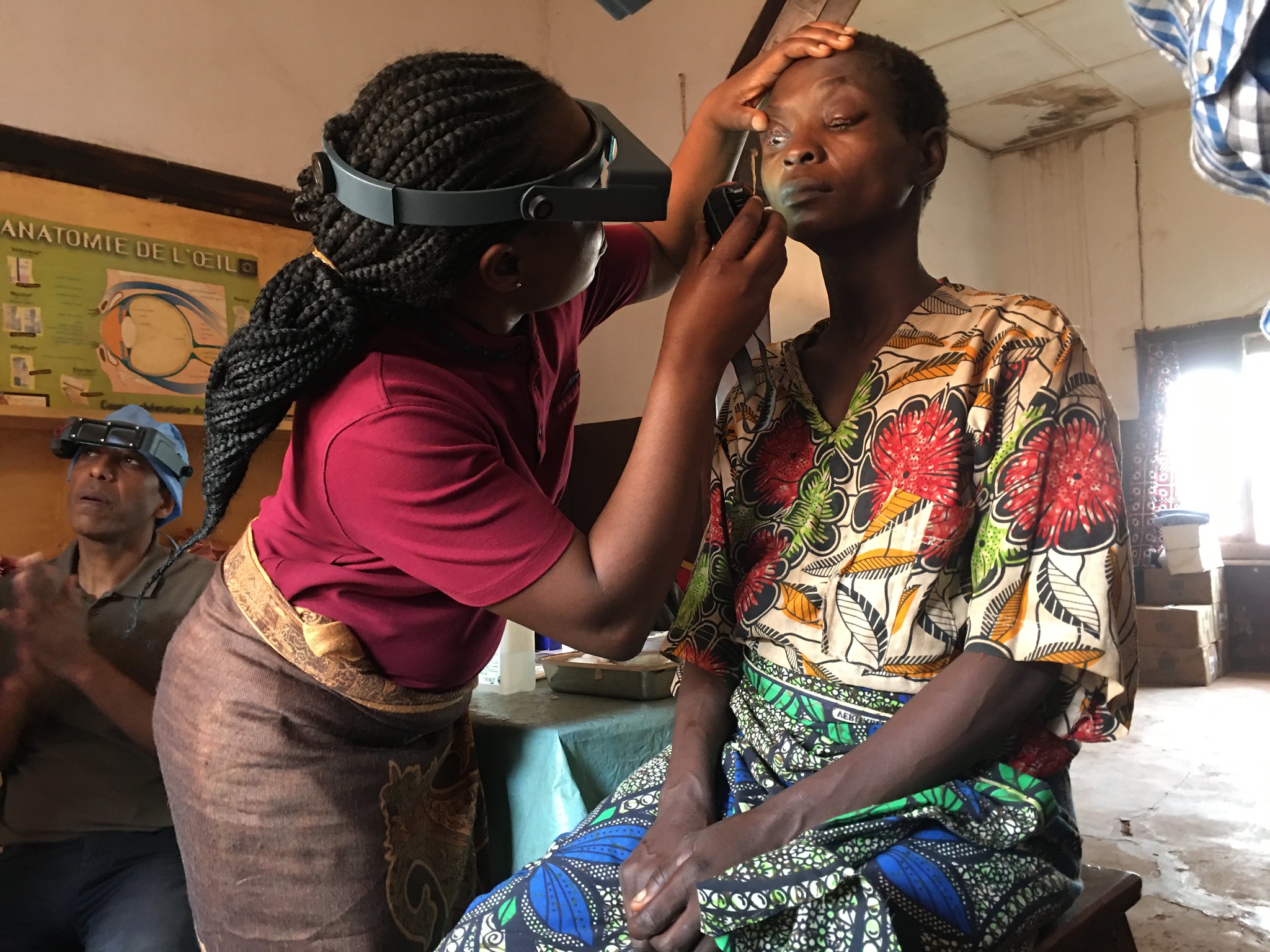
Photograph: Nick Burns
The number of people requiring interventions against trachoma, the world’s leading infectious cause of blindness, has fallen below 100 million for the first time since global records began. There were 1.5 billion people estimated to be at risk in 2002, dropping to 97.1 million as of November 2025: a 94% reduction (as recently as 2011, 314 million people were estimated to be at risk and therefore require interventions.)
This milestone reflects decades of sustained efforts by national health ministries, local communities, and international partners implementing the World Health Organization (WHO)-endorsed SAFE strategy (Surgery to treat trachomatous trichiasis, the blinding stage of trachoma; Antibiotics to clear infection; and Facial cleanliness and Environmental improvement to reduce transmission and sustain progress).
Global progress for trachoma has been supported by a diverse range of stakeholders, including implementing non-governmental organizations, academic institutions and donors, many of which collaborate through the International Coalition for Trachoma Control (ICTC), as well as the donation of more than 1.1 billion doses of azithromycin by Pfizer Inc. through the International Trachoma Initiative (ITI). These partnerships have enabled health ministries to distribute valuable donated medicines efficiently and effectively, while strengthening community health systems.
The International Centre for Eye Health has been a leading partner in the research needed to eliminate trachoma, including conducting five clinical trials to try to improve the outcomes from trichiasis surgery, for example comparing alternative operations, post-operative antibiotics, alternative suture types and epilation. We have also recently completed a large cluster randomised controlled trial with the Ethiopian Federal Ministry of Health, testing out new and enhanced approaches for
trachoma elimination, developed through an improved understanding of transmission and extensive co-creation work with the communities involved.
Find out more about our trachoma work here.