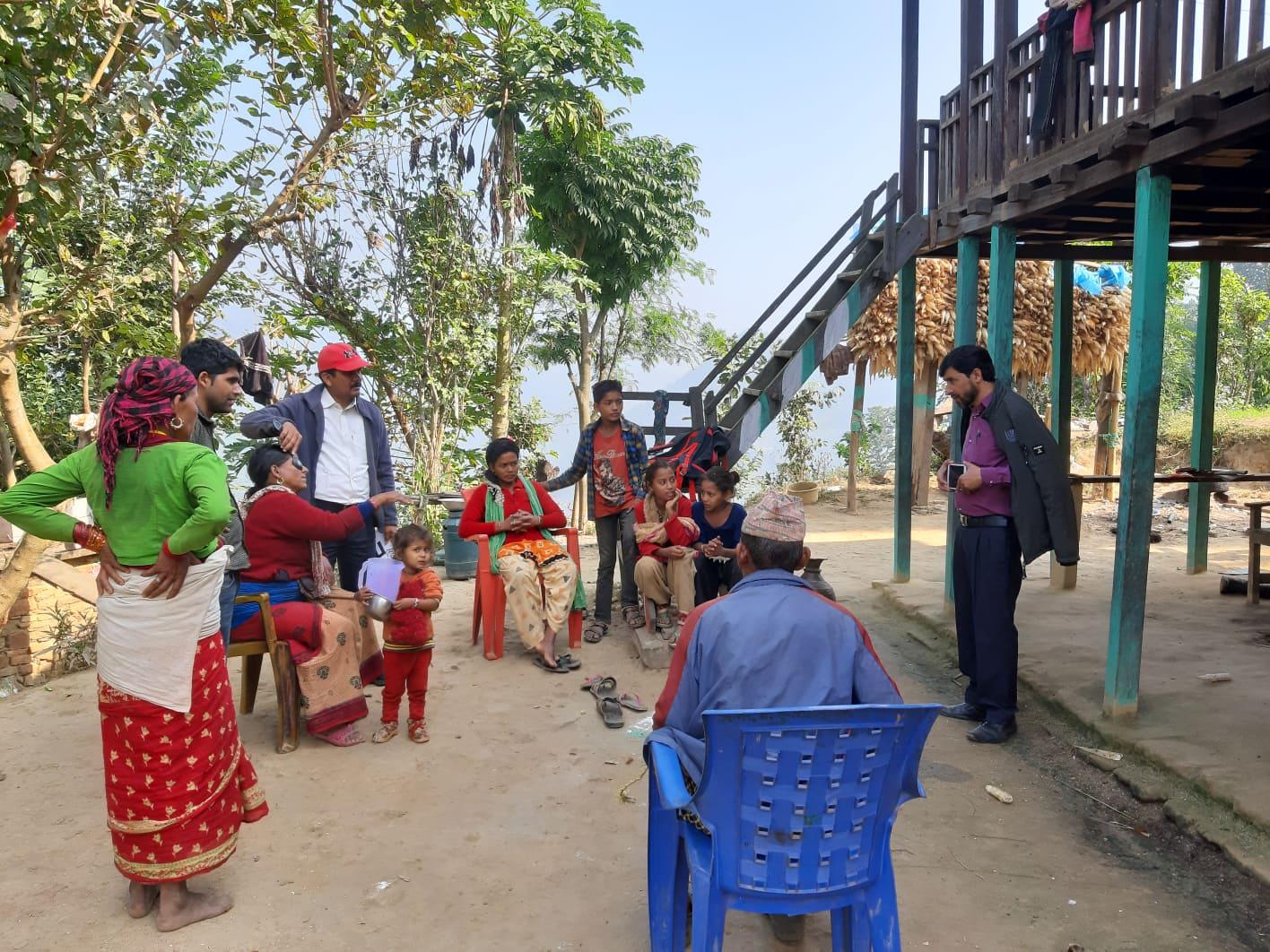
A RAAB in progress. Photograph: Aravind Eye Hospitals
The Rapid Assessment of Avoidable Blindness (RAAB) has reached one million participants surveyed since 2000.
RAAB is the main tool used for estimates of sight loss worldwide. It is a well-established population-based eye health survey that assesses vision impairment and effective service coverage among adults 50 years and older in a country or region. Data can then be used by governments and NGOs to plan and evaluate eye health services.
RAAB surveys provide the majority of data used to estimate the global and regional prevalence and causes of vision impairment, as well as data which is vital for tracking progress towards universal health coverage.
“This is a significant achievement for the global eye health community,” says Jude Stern, Director of Knowledge & Capability at the International Agency for the Prevention of Blindness (IAPB). “RAAB data is vital for understanding the burden of sight loss worldwide. For twenty years now, RAAB has supplied critical evidence that underpins global advocacy, national planning and eye care service delivery. Strengthening our support for these surveys will enable many more people to benefit from improved services worldwide.”
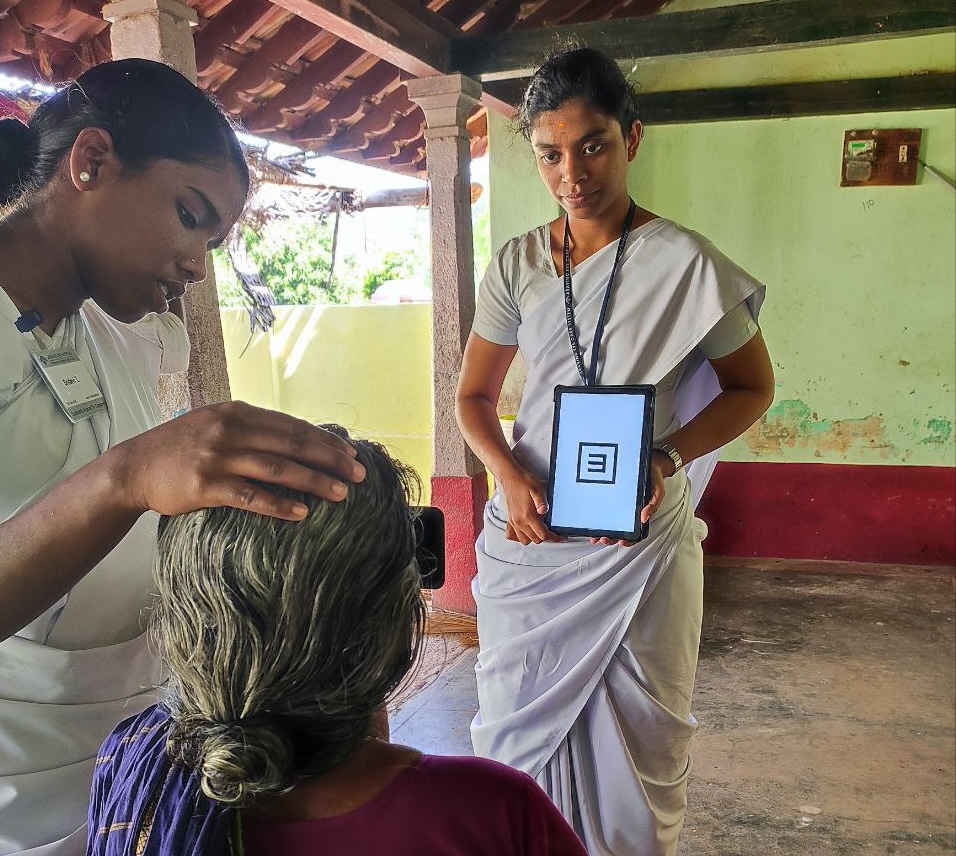
A RAAB in India Photograph: Mohd Javed
RAABs have now taken place in 85 countries, with 397 surveys undertaken since 2000. A future with even more RAABs means more local data to inform equitable service delivery, and more information to advocate for the global prioritisation of eye health. Addressing gaps in countries with no previous surveys or lengthy periods since the last survey is a key priority.
RAAB evolved from district-level rapid surveys of blindness conducted in India in the 1990s by Dr Hans Limburg and collaborators. Dr Limburg led development of RAAB with support from the International Centre for Eye Health (ICEH) until 2018, before handing management of RAAB to ICEH. Together with Peek Vision, ICEH launched RAAB7 In 2021 – digitising the methodology end to end and enhancing it in line with global eye health priorities.
“We would like to thank everyone who has contributed to RAAB over the years, from its founding to the many partners who have undertaken surveys,” says Islay Mactaggart, Principal Investigator of the RAAB Research Project at ICEH. “A RAAB survey is an excellent way for any country or region to start improving eye health in their area, while contributing to the global effort of eliminating avoidable sight loss.”
Find out more about RAAB and explore the data here.
Since its inception more than two decades ago, the Rapid Assessment of Avoidable Blindness is thankful for funding support from many donors including ICEH, CBM, the Danish International Development Agency (Danida), Fight for Sight, The Fred Hollows Foundation, the Indigo Trust, Orbis, Peek Vision, The Queen Elizabeth Diamond Jubilee Trust, Roche, Sightsavers and the World Health Organization.