
A new study from the International Centre for Eye Health (ICEH), published in The Lancet Global Health, shows how rapid, community-informed trial methods can significantly increase attendance at health appointments.
Globally, an estimated one third of people still lack access to essential health services, largely due to inefficiencies and inequities in health systems. In Meru County, Kenya, many individuals referred for eye care fail to reach the clinic. Previous ICEH research in this area found that young adults aged 18–44 are particularly affected, with only one in three attending follow-up services.
Between May and June 2024, ICEH partnered with Peek Vision, the Ministry of Health Kenya, the Kenya Medical Research Institute, and CBM to work directly with young adults to understand barriers to care and develop interventions to address them. The team used Peek’s eye health software, which tracks patients from screening to referral, enabling identification of drop-off points in the care pathway.
The study used a rapid randomised controlled trial (RCT) methodology, designed to produce robust results far faster than conventional trials.
First, researchers conducted 67 interviews with young adults identified through the Peek system, gathering ideas on how to increase follow-up attendance. These ideas were then prioritised by a further 401 people in the same age group and discussed at a workshop with programme staff, community representatives, and partner organisations.
Two feasible interventions emerged:
- Clearer and extended counselling at the point of referral, including when and where to attend, what to expect, likely costs, and why timely care matters
- Additional SMS reminders sent before and on the clinic day
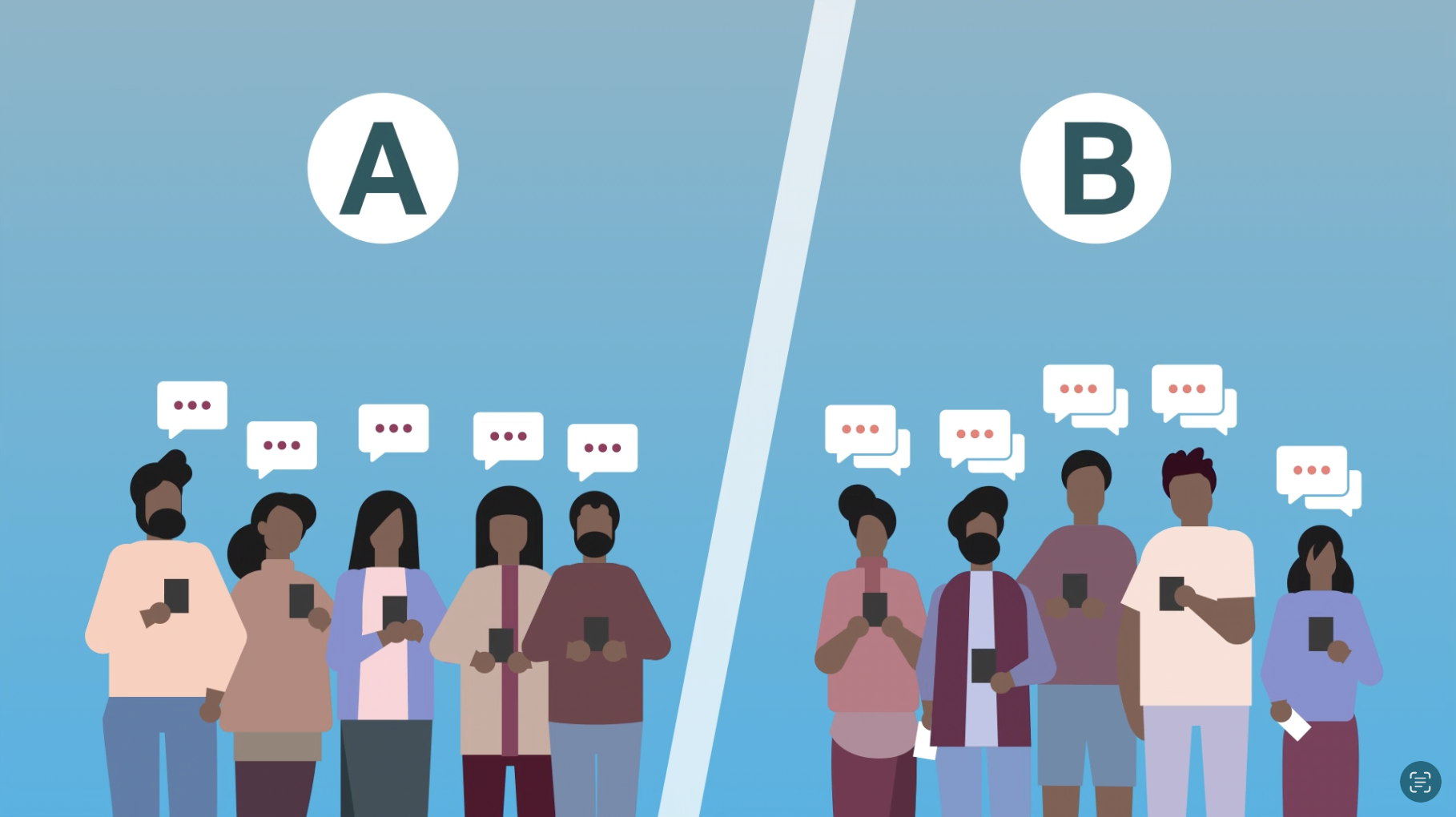
These interventions were incorporated directly into the Peek platform, which enrolled participants, randomised them to standard versus enhanced care, delivered the messages, and monitored attendance.
In total, 879 young adults were included in the study. Attendance rates were assessed every seven days, with the trial stopping once a pre-defined statistical threshold was reached achieved. In this trial, the limit was met after just 30 days and the trial halted.
The results showed an increase in attendance from 32 percent to 39 percent among young adults, with a 98.6 percent probability that the intervention outperformed standard care. The findings demonstrate that:
- Listening directly to the community can yield practical and effective improvements
- Rapid RCTs embedded in routine, established programmes are feasible
- Improved information and timely reminders can measurably enhance access to eye care
The study noted some limitations. Consent rates among eligible participants were low and only one in three participants were men, underscoring the need for more inclusive recruitment strategies.
Overall, the study provides strong evidence that community-engagement methods combined with rapid, embedded trials can support more responsive and equitable health systems. By integrating evidence generation directly into services, programmes can test and adopt effective solutions quickly. If scaled, this approach has the potential to strengthen health outcomes for many more people in the future.
Publication: Allen L, Jung Kim M, Gichangi M et al. Enhanced patient counselling and SMS reminder messages to improve access to community-based eye care services in Meru, Kenya: an embedded, pragmatic, individual-level, randomised, controlled, adaptive platform trial. The Lancet Global Health. January 2026. https://doi.org/10.1016/S2214-109X(25)00401-2
The study is part of a wider approach to health systems through ICEH and Peek which aims to allow services to rapidly test interventions within their programmes. Find out more about the Fair Access programme here.
This study took place within the Vision Impact Project in Kenya, which operates in seven counties. In Meru County 350,000 people have already been screened. Peek is currently being used in over 70 screening programmes across 12 low- and middle-income countries.
The authors would like to thank the Wellcome Trust and the UK National Institute of Health Care and Research for funding this work.