ICEH
  • Home
    • About Us
    • Our Team
    • Impact
    • Partner Map
    • History
    • PhD Students
    • Our Supporters
    • External Advisory Panel
  • News
  • Research
    • Research Themes
    • All Publications
    • Lancet Commission on Global Eye Health
    • Rapid Assessment of Avoidable Blindness (RAAB)
  • Education
    • Master’s Course
    • Online Courses
    • Short course
    • Alumni Network
    • Resources
  • Journal
  • Capacity Strengthening
    • LINKS & Networks Programme
    • Commonwealth Eye Health Consortium (CEHC)
  • Peek
  • Donate
  • Contact
Select Page
Rapid trial design that listens to left-behind groups increases attendance in eye care

Rapid trial design that listens to left-behind groups increases attendance in eye care

by Hugh Bassett | Jan 20, 2026 | News

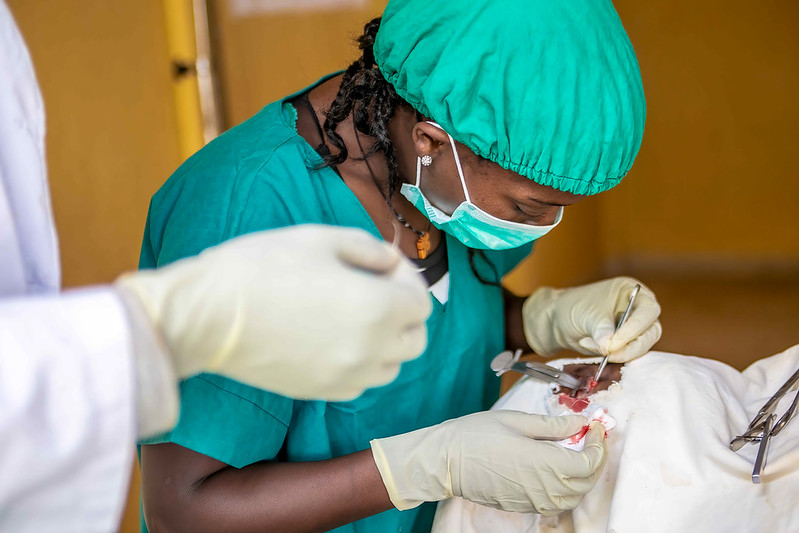
A new study from the International Centre for Eye Health (ICEH), published in The Lancet Global Health, shows how rapid, community-informed trial methods can significantly increase attendance at health appointments. Globally, an estimated one third of people still...
Eye Health Survey Participation: Gaps Between High- and Low-Resource Settings

Eye Health Survey Participation: Gaps Between High- and Low-Resource Settings

by Hugh Bassett | Jan 12, 2026 | News

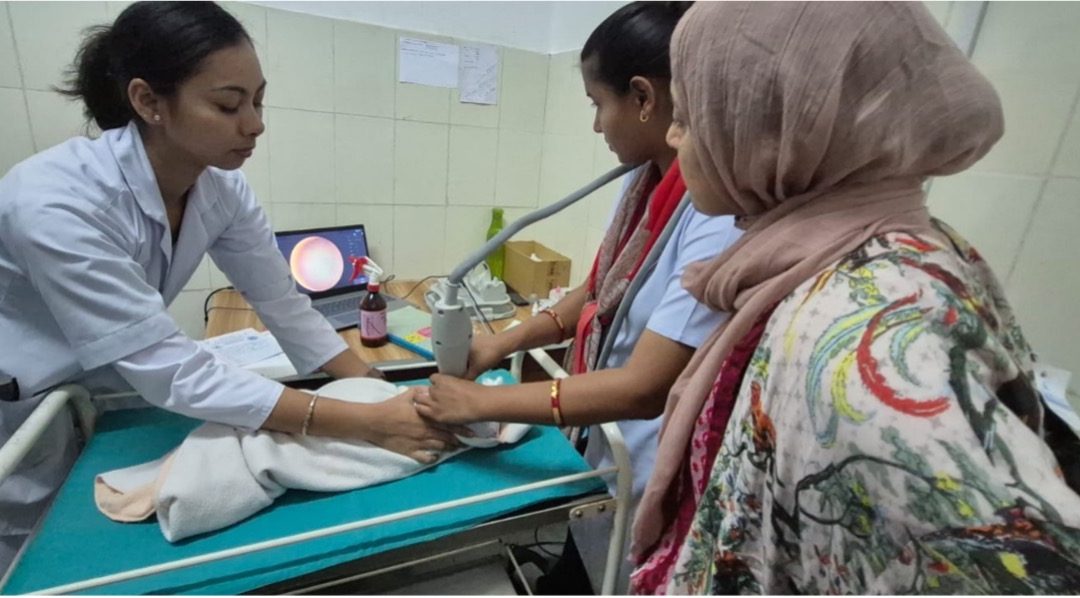
Eye health population survey in India. © Aravind Eye Care Population-based eye health surveys provide essential information for planning and evaluating eye care services, but participation rates often vary widely between settings. A recent study published in Wellcome...
The Role of Medicine Vendors in Eye and Ear Care in Nigeria

The Role of Medicine Vendors in Eye and Ear Care in Nigeria

by Hugh Bassett | Jan 7, 2026 | News

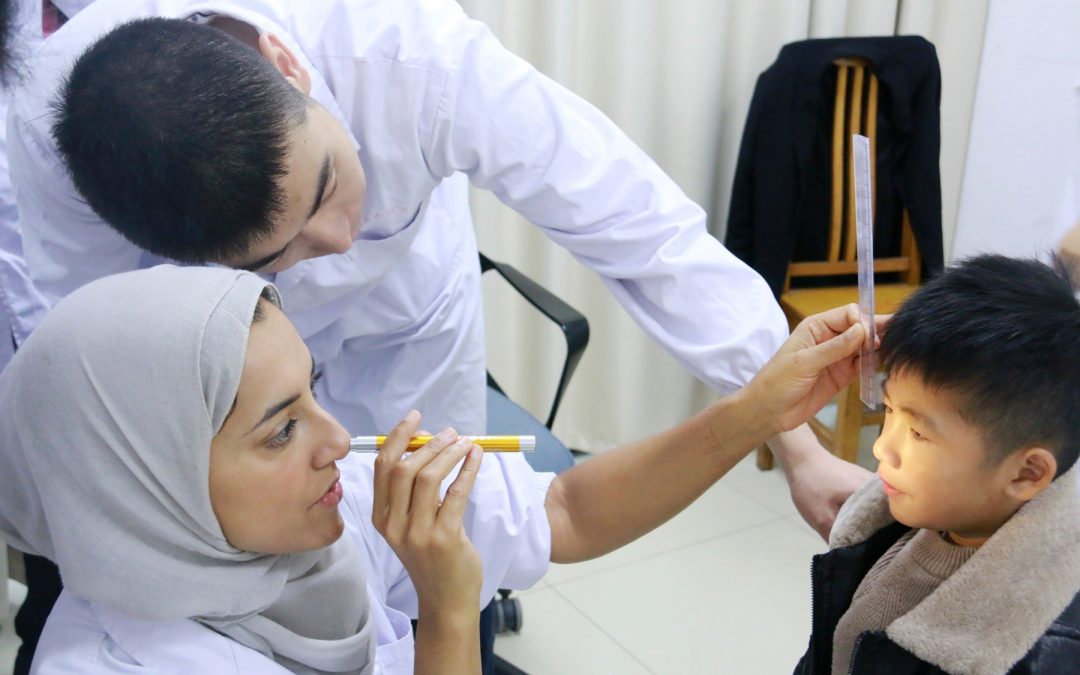
Photograph: Beendy234, CC0, via Wikimedia Commons In many low- and middle-income countries, access to formal eye and ear health services is limited, particularly in rural areas where specialist services are scarce. A new mixed-methods study led by International Centre...
Global Population At Risk of Trachoma Falls by more than 1.4bn in 23 years

Global Population At Risk of Trachoma Falls by more than 1.4bn in 23 years

by Hugh Bassett | Jan 6, 2026 | News

Photograph: Nick Burns The number of people requiring interventions against trachoma, the world’s leading infectious cause of blindness, has fallen below 100 million for the first time since global records began. There were 1.5 billion people estimated to be at risk...
Low-cost Ophthalmic Device Shows Promise for Resource-Limited Areas

Low-cost Ophthalmic Device Shows Promise for Resource-Limited Areas

by Hugh Bassett | Jan 6, 2026 | News

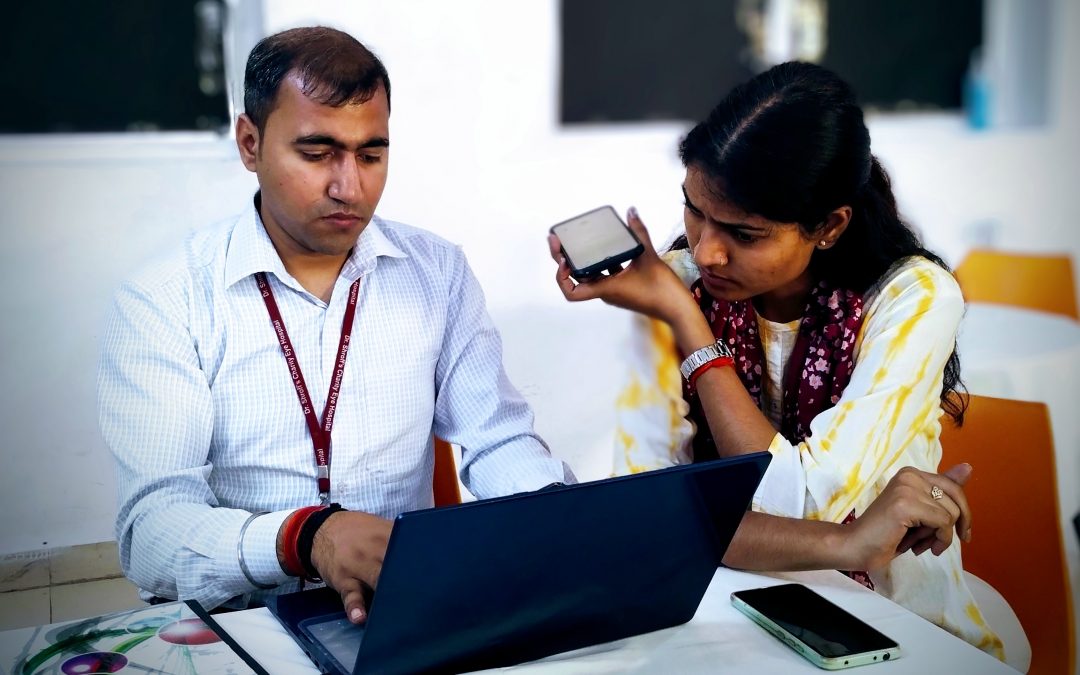
In global eye health, simple, affordable diagnostic tools could significantly widen access to essential examinations – particularly in low- and middle-income countries where specialist equipment is scarce. Recent research provides strong new evidence that the...
« Older Entries
Next Entries »

RSS All publications

  • Current burden and future projections of glaucoma in the United Kingdom.
  • Enhanced patient counselling and SMS reminder messages to improve access to community-based eye care services in Meru, Kenya: an embedded, pragmatic, individual-level, randomised, controlled, adaptive
  • A Randomised Trial of Three Face-Washing Methods for the Removal of Chlamydia trachomatis From the Faces of Children With Severe Active Trachoma.
  • Assessing and enhancing visual responses in children with severe cerebral impairment.
  • Indicators for effective glaucoma care coverage in adults: protocol for a scoping review.
  • Characterizing trachoma elimination using serology.
  • The Royal College of Ophthalmologists' National Ophthalmology Database study of cataract surgery: report 20, the hidden cost of intraocular lens choices for National Health Service funded cataract sur
  • The Israeli eye care system through a public and global health lens.
  • Retinoblastoma outcomes in Europe: a prospective analysis of 483 patients from 40 countries.
  • Workforce distribution and cataract surgical rates in the eastern mediterranean (EMR) and middle east north Africa (MENA) regions

Follow Us

Accessibility

Cookies

Follow us:

  • Follow
  • Follow
  • Follow

Accessibility

Cookies

Follow us:

  • Follow
  • Follow
  • Follow